
Irrigation Trenching in Atlanta, GA
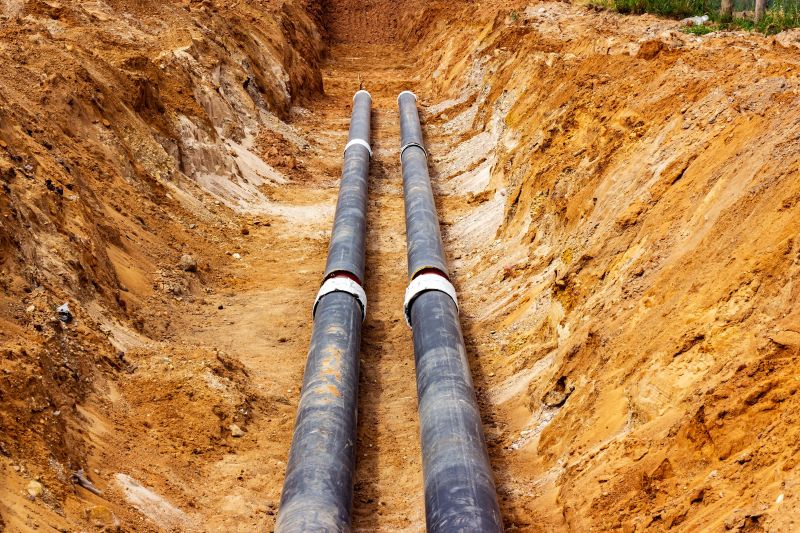
Irrigation trenching services involve digging narrow, precise trenches to install or repair underground irrigation systems. These trenches typically accommodate sprinkler lines, drip irrigation tubing, or other watering components essential for maintaining healthy lawns, gardens, and landscaped areas. Property owners often request this service for new irrigation system installations, upgrades, or repairs to existing setups, ensuring efficient water delivery and proper coverage across outdoor spaces.
Before requesting irrigation trenching, property owners should consider the layout of their landscape, including the location of existing utilities and underground features. It’s also helpful to understand the extent of the area to be irrigated and any specific watering needs. Proper planning can help ensure the trenching aligns with the overall irrigation design, minimizes disruption, and supports the long-term health of the landscape.
Many property owners in Atlanta, GA look into Irrigation Trenching for repairs, replacements, upgrades, and appearance-related improvements.
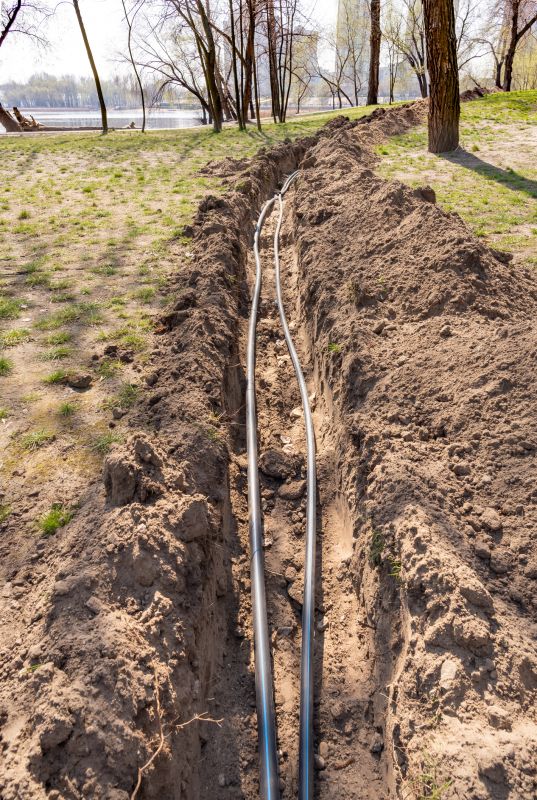
Irrigation Trenching Services
Examples of irrigation trenching work property owners may explore in atlanta, ga.
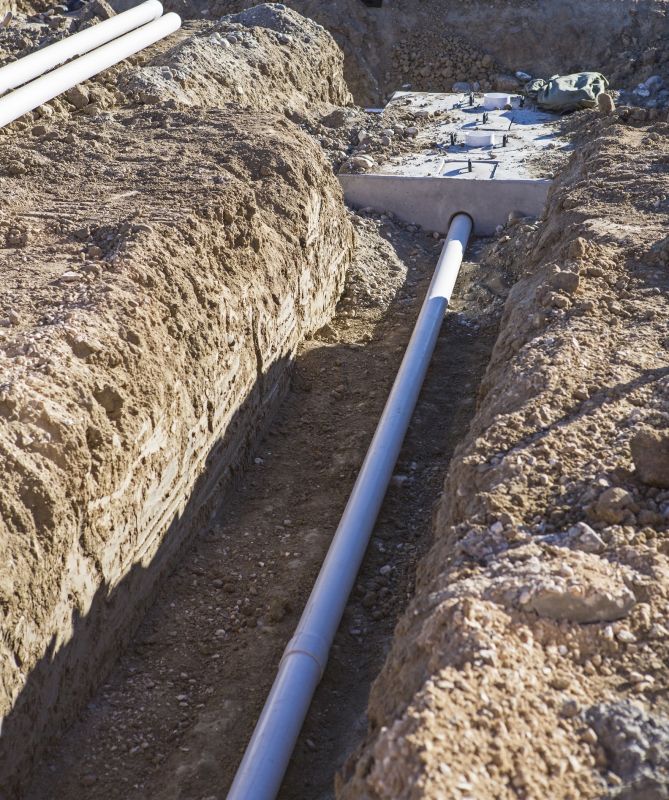
Irrigation Trenching Updates
Common ways people refresh, improve, or restore irrigation trenching features in atlanta, ga.
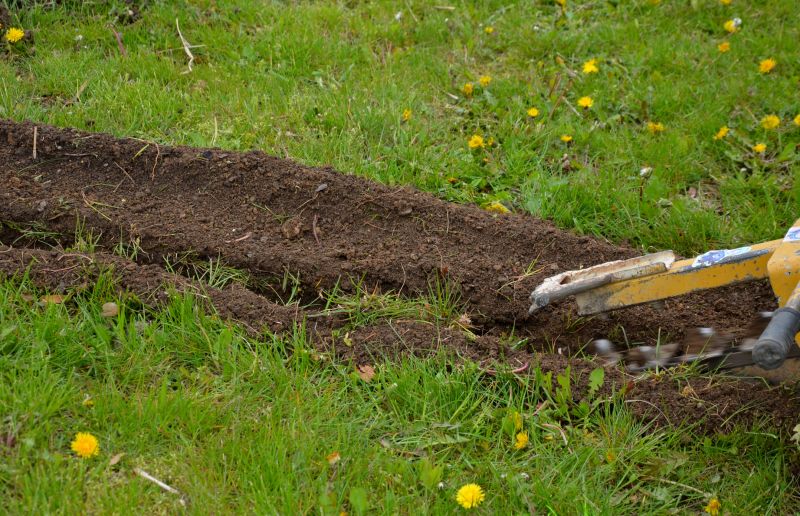
Irrigation Trenching Options
Different styles, layouts, and finishes people consider for irrigation trenching in atlanta, ga.
Irrigation Trenching in Atlanta, GA

Irrigation trenching services involve digging narrow, precise trenches to install or repair underground irrigation systems. These trenches typically accommodate sprinkler lines, drip irrigation tubing, or other watering components essential for maintaining healthy lawns, gardens, and landscaped areas. Property owners often request this service for new irrigation system installations, upgrades, or repairs to existing setups, ensuring efficient water delivery and proper coverage across outdoor spaces.
Before requesting irrigation trenching, property owners should consider the layout of their landscape, including the location of existing utilities and underground features. It’s also helpful to understand the extent of the area to be irrigated and any specific watering needs. Proper planning can help ensure the trenching aligns with the overall irrigation design, minimizes disruption, and supports the long-term health of the landscape.
Many property owners in Atlanta, GA look into Irrigation Trenching for repairs, replacements, upgrades, and appearance-related improvements.
Common Irrigation Trenching Jobs
Irrigation trenching involves digging channels to install or repair underground sprinkler systems for even water coverage.
Drainage trenching helps redirect excess water away from foundations and landscaped areas to prevent flooding.
Utility trenching involves creating pathways for electrical, water, or gas lines across the property.
Landscape irrigation trenching ensures efficient placement of pipes for new or existing sprinkler systems.
Soil preparation trenching prepares the ground for planting or landscape improvements requiring underground wiring or piping.
Drain tile trenching installs perforated pipes to improve soil drainage and reduce water pooling.
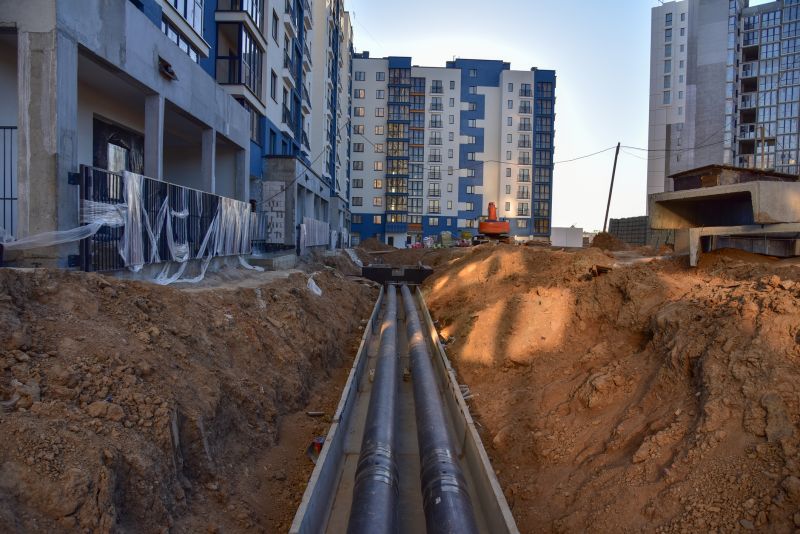

Irrigation Trenching Questions
What is irrigation trenching used for? It creates pathways for underground pipes and hoses to distribute water efficiently across a lawn or garden.
What types of projects benefit from irrigation trenching? Installing new sprinkler systems, repairing existing lines, or expanding irrigation coverage are common applications.
How deep are irrigation trenches typically dug? Trenches are usually dug between 6 to 12 inches deep, depending on the system requirements and local codes.
What should property owners know before scheduling irrigation trenching? Proper planning ensures the trenching aligns with existing utilities and landscaping needs for optimal results.
Request Irrigation Trenching in Atlanta, GA
Use the quote form on this page to share the basics of your project and request more information for the type of work you need.