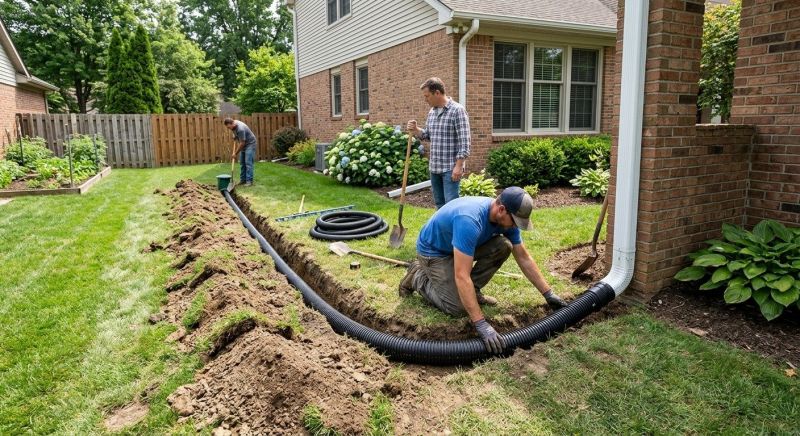
Downspout Trenching in Salt Lake City, UT
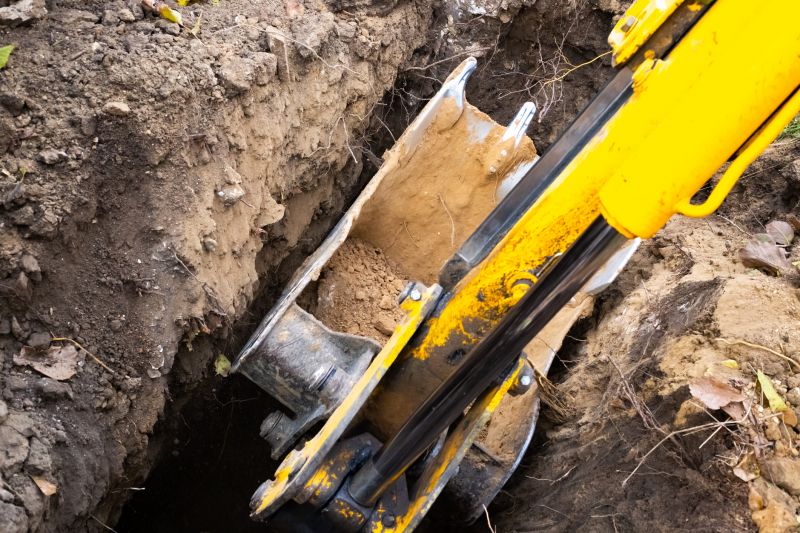
Downspout trenching services involve excavating trenches to properly redirect rainwater away from a property's foundation. This process is commonly used in projects where existing downspouts need to be extended or new drainage systems are being installed to prevent water pooling, erosion, or damage to landscaping. Property owners typically seek this service to improve drainage efficiency, protect their home’s structure, or prepare for landscaping and yard improvements that require effective water management.
Before requesting downspout trenching, homeowners should consider the layout of their property, including existing drainage issues and the desired direction for water flow. It’s helpful to understand the extent of trenching needed, the type of soil, and any potential obstacles that could affect excavation. Clear information about the property’s drainage goals and existing infrastructure can ensure the trenching work meets the specific needs of the project.
Many property owners in Salt Lake City, UT look into Downspout Trenching for repairs, replacements, upgrades, and appearance-related improvements.
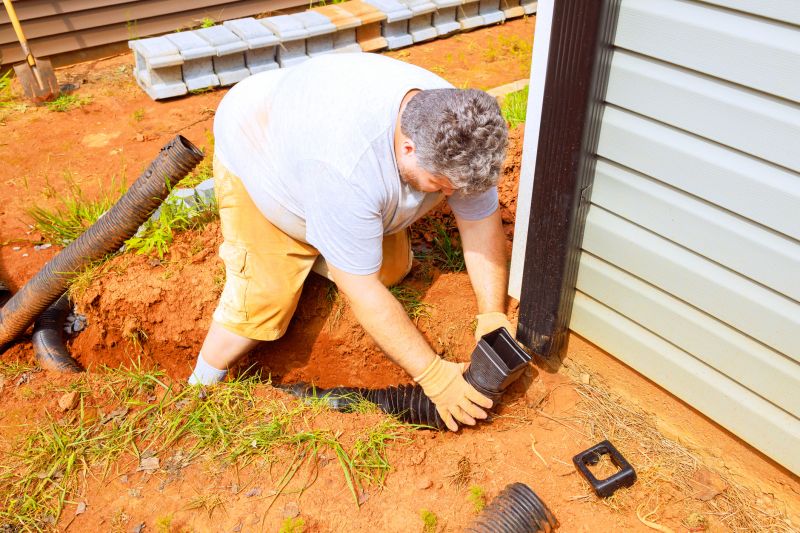
Drainage System Enhancement
Proper trenching ensures effective water flow away from your property.
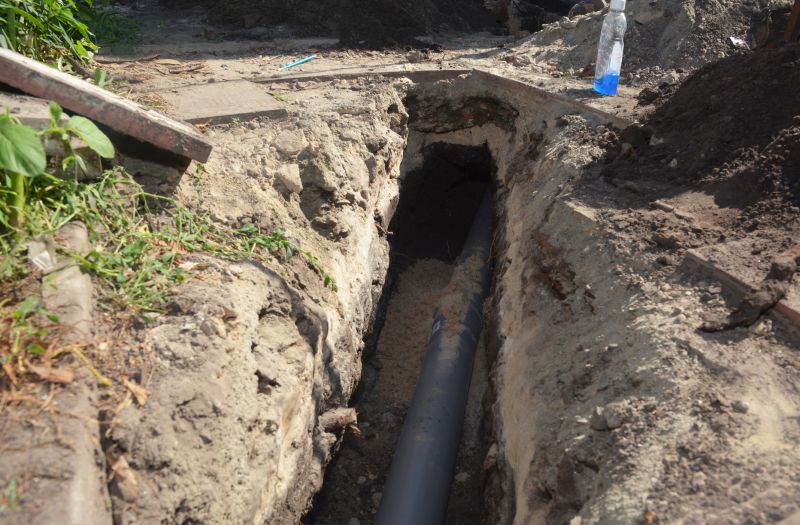
Foundation Protection
Downspout trenches help prevent water damage to your home's foundation.
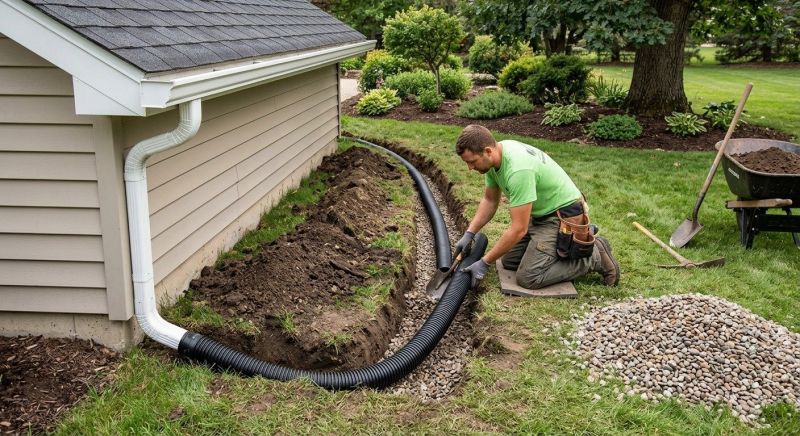
Yard And Landscape Preservation
Strategic trenching directs water runoff to maintain healthy lawns and gardens.
Downspout Trenching in Salt Lake City, UT

Downspout trenching services involve excavating trenches to properly redirect rainwater away from a property's foundation. This process is commonly used in projects where existing downspouts need to be extended or new drainage systems are being installed to prevent water pooling, erosion, or damage to landscaping. Property owners typically seek this service to improve drainage efficiency, protect their home’s structure, or prepare for landscaping and yard improvements that require effective water management.
Before requesting downspout trenching, homeowners should consider the layout of their property, including existing drainage issues and the desired direction for water flow. It’s helpful to understand the extent of trenching needed, the type of soil, and any potential obstacles that could affect excavation. Clear information about the property’s drainage goals and existing infrastructure can ensure the trenching work meets the specific needs of the project.
Many property owners in Salt Lake City, UT look into Downspout Trenching for repairs, replacements, upgrades, and appearance-related improvements.
Common Downspout Trenching Jobs
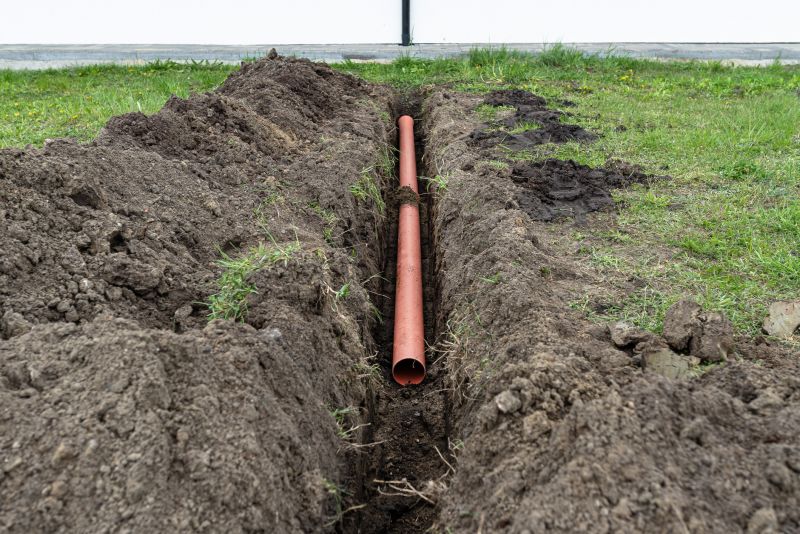
Downspout trenching - creates a dedicated channel to direct water away from the foundation.
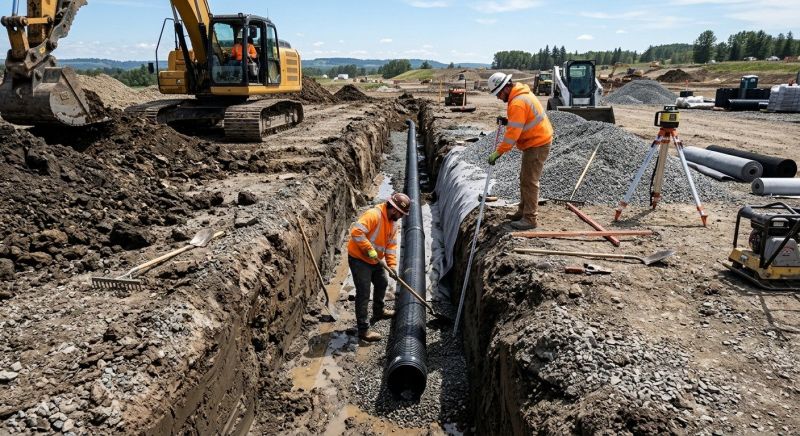
Drainage system installation - involves trenching to install underground pipes for efficient water flow.
Gutter downspout extension - trenches are used to extend downspouts further from the home.
Foundation protection - trenching helps prevent water pooling around the base of the property.
Landscape drainage solutions - trenching redirects water to prevent erosion and landscape damage.
Water management upgrades - improves overall drainage around residential properties through trenching.
Downspout Trenching Questions
What is downspout trenching? Downspout trenching involves digging a channel to redirect roof runoff away from the foundation, preventing water damage and erosion.
When is trenching necessary for downspouts? Trenching is recommended when existing downspouts are causing pooling, basement leaks, or foundation issues due to improper drainage.
How does trenching improve property drainage? It creates a clear pathway for water to flow away from the home, reducing the risk of water accumulation near the foundation.
What should homeowners consider before trenching? It’s important to evaluate the property’s landscape, underground utilities, and drainage needs to ensure effective and safe installation.
Request Downspout Trenching in Salt Lake City, UT
Use the quote form on this page to share the basics of your project and request more information for the type of work you need.