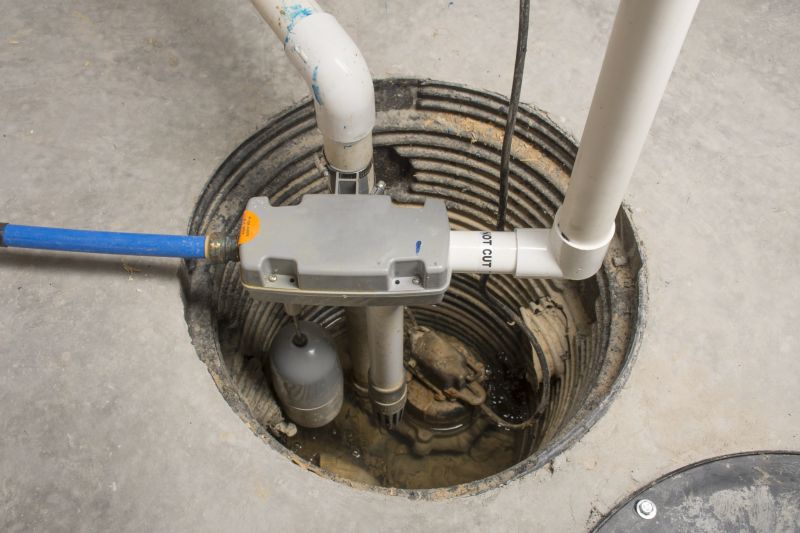
Sump Pump Installation in Boston, MA
Sump pump installation services involve setting up a device designed to remove excess water from basements, crawl spaces, or areas prone to flooding. These systems are essential for property owners looking to protect their homes from water damage caused by heavy rains, melting snow, or groundwater seepage. Projects typically include installing new sump pumps in existing sump pits, upgrading outdated units, or designing custom systems for properties with unique drainage needs. Homeowners often want to understand the different types of sump pumps available, how they operate, and what factors influence the best choice for their property.
Before requesting sump pump installation, property owners should consider the layout of their property, the history of flooding or water intrusion, and the size of the area that needs protection. It’s important to evaluate the drainage system’s capacity to handle heavy water flow and ensure proper electrical connections for reliable operation. Additionally, understanding maintenance requirements and the placement of the sump pit can help ensure the system functions effectively over time. Clear communication about these aspects can assist in selecting the most suitable sump pump system for a home’s specific needs.
Many property owners in Boston, MA look into Sump Pump Installation for repairs, replacements, upgrades, and appearance-related improvements.
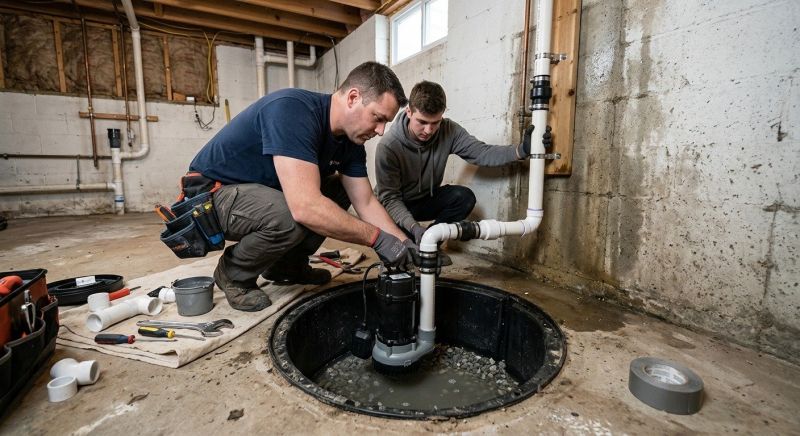
Why Install A Sump Pump
A sump pump helps prevent basement flooding and water damage during heavy rains.
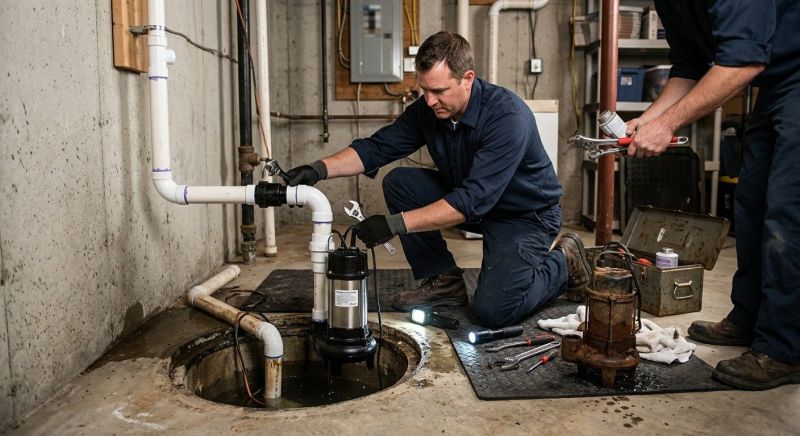
Types Of Sump Pumps
Different models are available to suit various property sizes and drainage needs in boston homes.
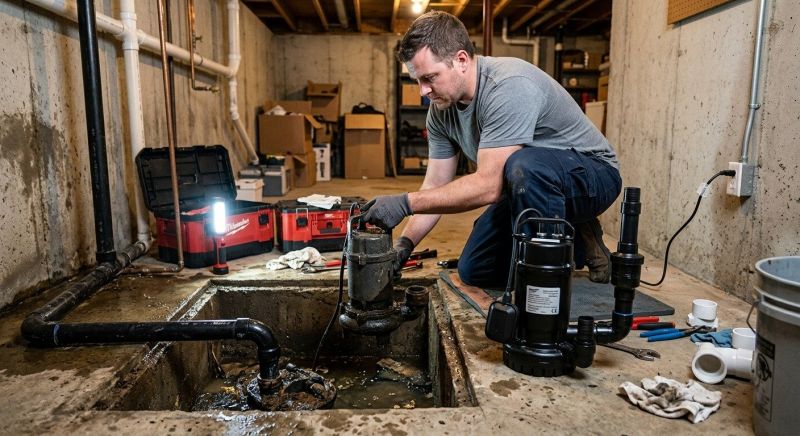
Maintenance And Upkeep
Regular testing and cleaning ensure your sump pump functions reliably when needed most.
Sump Pump Installation in Boston, MA

Sump pump installation services involve setting up a device designed to remove excess water from basements, crawl spaces, or areas prone to flooding. These systems are essential for property owners looking to protect their homes from water damage caused by heavy rains, melting snow, or groundwater seepage. Projects typically include installing new sump pumps in existing sump pits, upgrading outdated units, or designing custom systems for properties with unique drainage needs. Homeowners often want to understand the different types of sump pumps available, how they operate, and what factors influence the best choice for their property.
Before requesting sump pump installation, property owners should consider the layout of their property, the history of flooding or water intrusion, and the size of the area that needs protection. It’s important to evaluate the drainage system’s capacity to handle heavy water flow and ensure proper electrical connections for reliable operation. Additionally, understanding maintenance requirements and the placement of the sump pit can help ensure the system functions effectively over time. Clear communication about these aspects can assist in selecting the most suitable sump pump system for a home’s specific needs.
Many property owners in Boston, MA look into Sump Pump Installation for repairs, replacements, upgrades, and appearance-related improvements.
Common Sump Pump Installation Jobs
Sump Pump Installation - ensures proper removal of excess water from basement areas.
Basement waterproofing - helps prevent flooding and water damage during heavy rains.
Sump pump replacement - upgrades outdated or failing systems for improved reliability.
Stormwater management - directs rainwater away from foundations to protect property.
Drainage system setup - improves overall water flow and reduces pooling around the home.
Waterproofing system integration - combines sump pumps with drainage solutions for comprehensive protection.
Sump Pump Installation Questions
What is a sump pump and why is it needed? A sump pump helps remove accumulated water from basements or crawl spaces, preventing flooding and water damage during heavy rains or snowmelt.
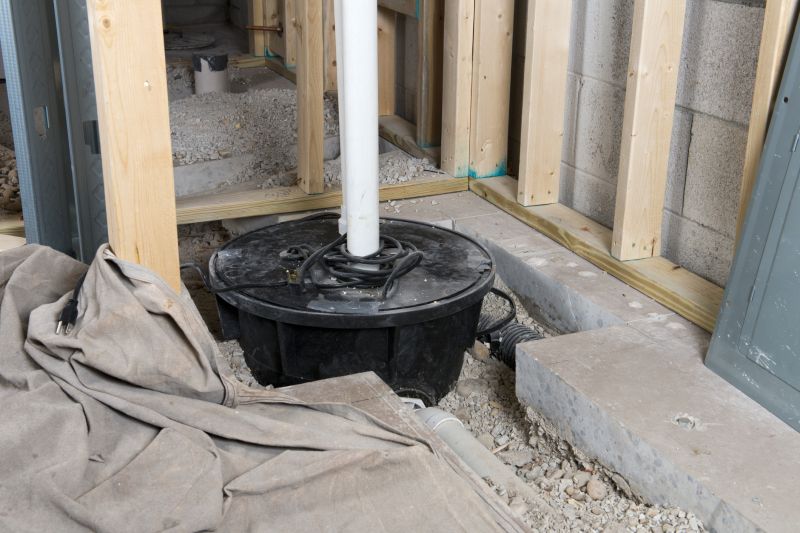
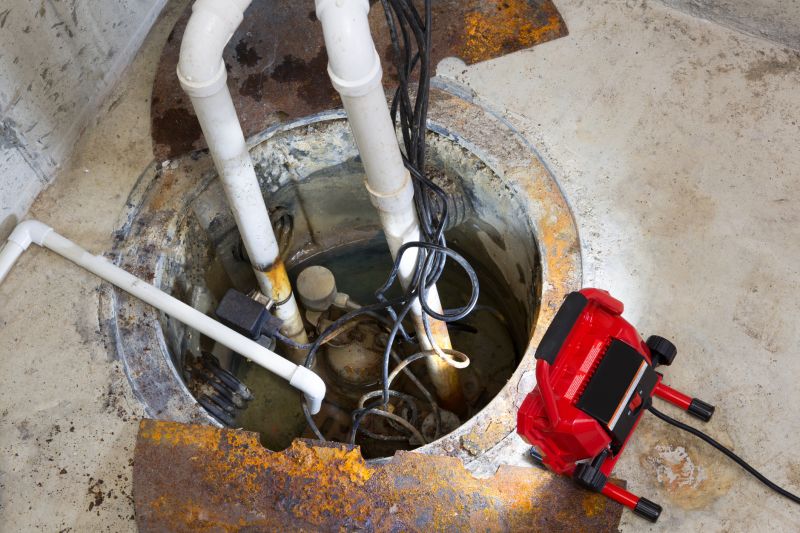
How is a sump pump installed? Installation involves placing the pump in a sump pit, connecting it to a drainage system, and ensuring proper power supply and outlet placement.
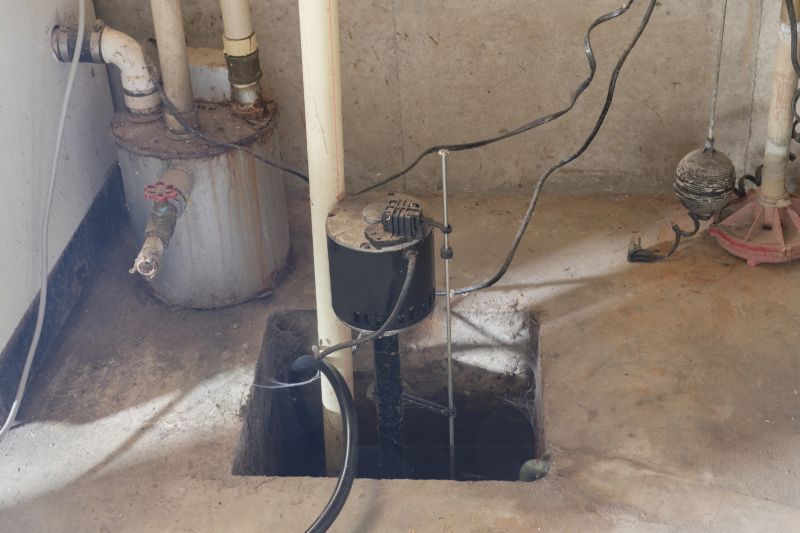
What types of sump pumps are available? Common options include pedestal and submersible pumps, each suited for different basement sizes and water removal needs.
What maintenance is required for a sump pump? Regularly checking for debris, testing the pump, and ensuring the discharge line is clear help keep it functioning properly.
Request Sump Pump Installation in Boston, MA
Use the quote form on this page to share the basics of your project and request more information for the type of work you need.